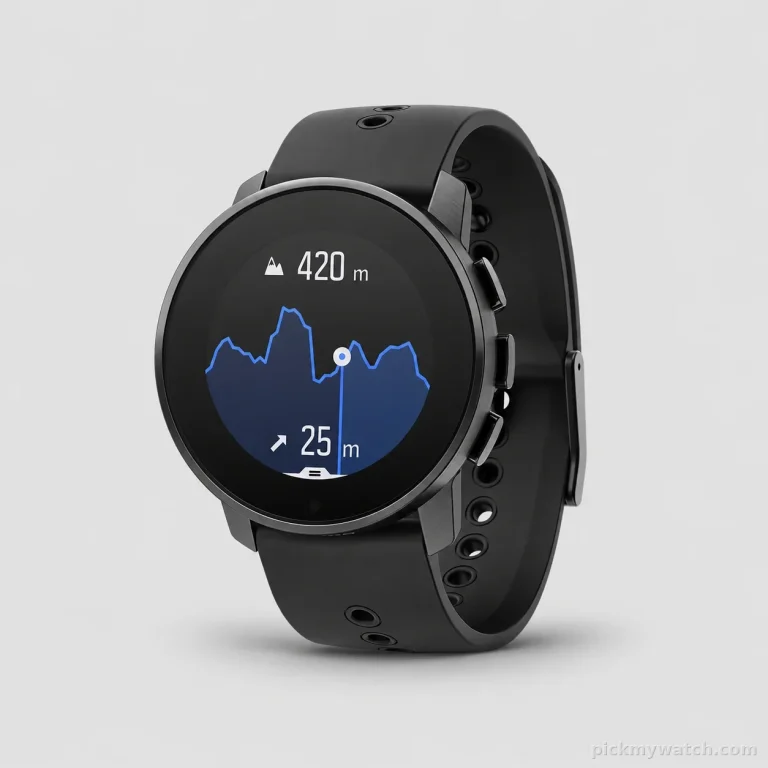
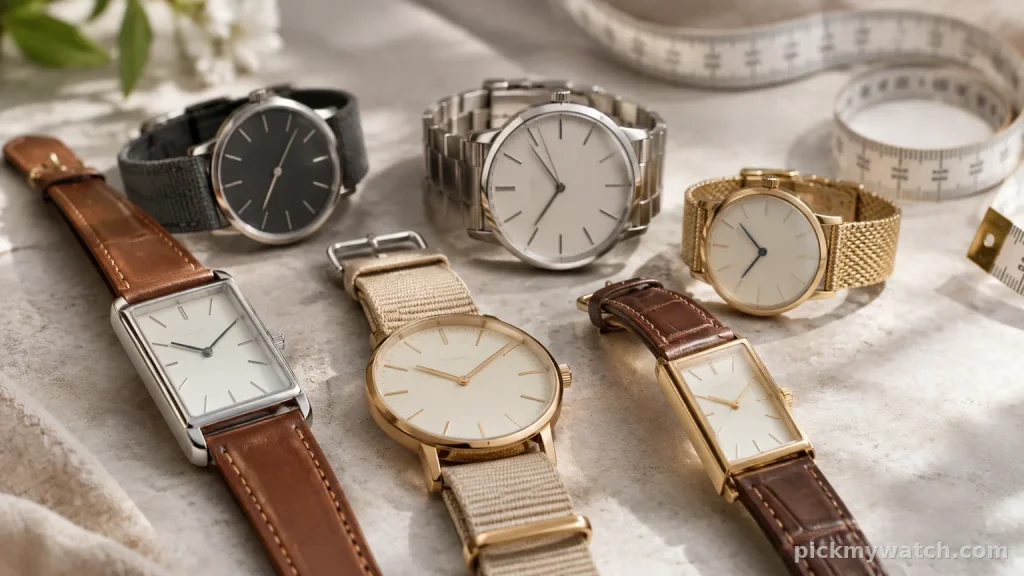
To choose a watch by gender, use the categories men’s, women’s or unisex as a guide, then choose according to your wrist, your tastes and your daily life. A collection’s label does not determine comfort, quality or the style that suits you. Case proportions, strap adjustment and readability are more useful when comparing watches. You can therefore broaden your search to include all collections without giving up your aesthetic preferences.
Contents
- What is the difference between a men’s watch and a women’s watch?
- Does a unisex watch suit every wrist?
- How to choose the right proportions for your wrist
- Look beyond the case diameter
- Check the strap adjustment options
- What watch style suits your daily life?
- Choose the shape and colours according to your preferences
- Do not confuse a sporty appearance with useful features
- Which materials and readability features should you prioritise?
- Quartz or mechanical, which movement should you choose?
- Quartz for fewer adjustments
- Mechanical for an interest in watchmaking
- How to compare information before choosing?
- How to choose a watch as a gift?
- Frequently asked questions
- Can you wear a watch intended for another gender?
- Which watch should you choose for a small wrist?
- What are the best watches for women?
- Is a unisex watch always understated?
- Which wrist should you wear your watch on?
- Do you need an automatic watch to get quality?
What is the difference between men’s and women’s watches?
The distinction is mainly based on aesthetic conventions and how catalogues are organised. Men’s collections often emphasise large cases, sporty dials and technical details. Women’s collections frequently feature smaller designs, slim straps or decorative elements. These trends are not rules of watchmaking.
A slim, rectangular watch can suit a man. A large, understated or sporty watch can appeal to a woman. No shape, colour or material is exclusive to any gender. Quartz movements, automatic mechanisms and various functions appear across several categories.
Does a unisex watch fit every wrist?
The unisex label means the watch is marketed without a gender distinction. It does not guarantee a universal fit. The case may be too bulky for your wrist, or the strap may not shorten enough. Compare dimensions and adjustment options just as carefully as you would with men’s or women’s collections.
How to choose the right proportions for your wrist
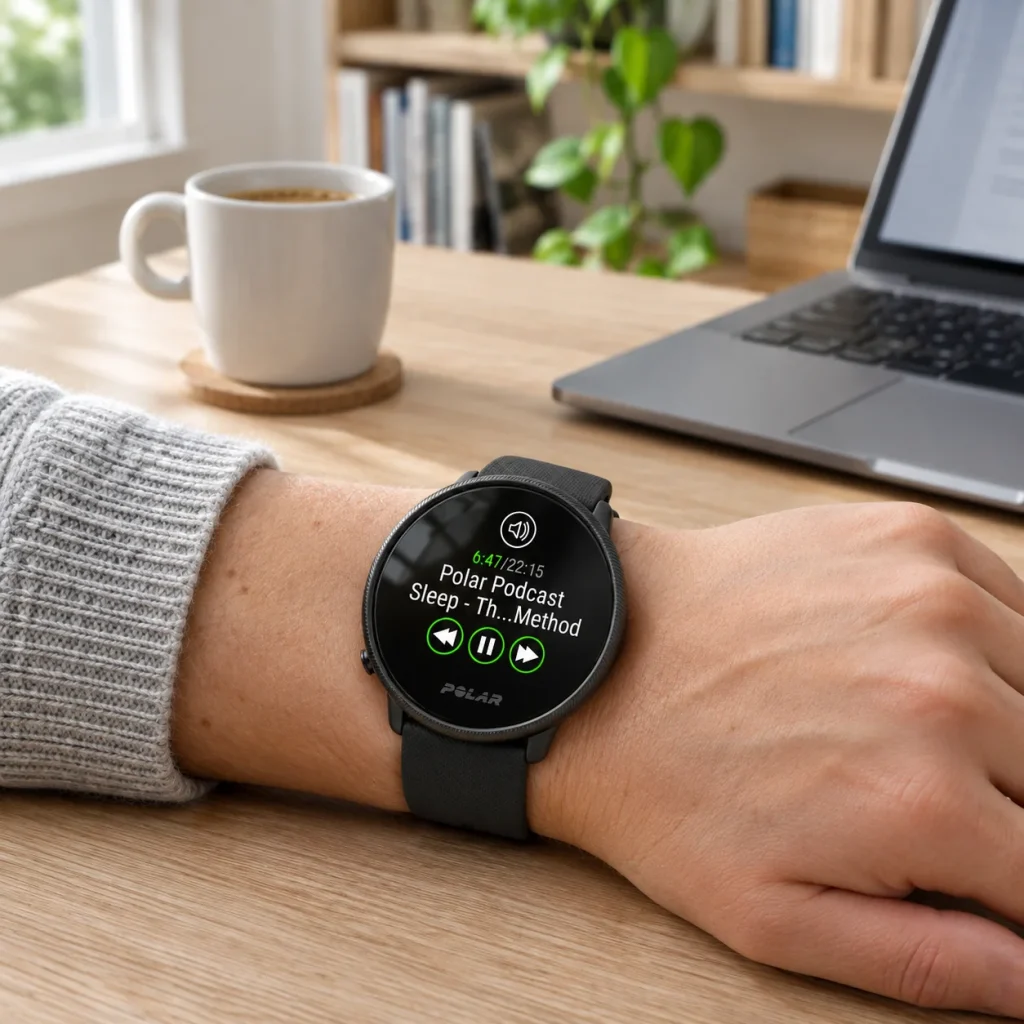
Measure your wrist circumference with a flexible tape measure where you intend to wear the watch, without pressing into the skin. This measurement mainly helps you check whether the strap will fit. To assess how much space the case will occupy, you also need to consider the width and shape of the top of your wrist.
Look beyond the case diameter
Diameter is a useful guide, but it cannot tell you exactly how a watch will look. The distance between the tips of the lugs, the attachments connecting the case to the strap, also affects how much space it occupies. Long, straight lugs can extend further than short, curved ones.
Thickness matters under a fitted sleeve. A wide dial opening can make a watch look larger, while a prominent bezel makes the display area look smaller. Round, square and rectangular cases therefore cannot be compared on width alone.
- For an understated look, look for a balanced combination, with a compact case and a proportionate strap.
- For a bold look, consider wide dial openings and distinctive shapes, while keeping overall size in mind.
- To wear the watch under a sleeve, check the thickness and the shape of any protruding parts.
There is no ideal diameter determined by gender. Someone with a small wrist may prefer a watch that stands out. Someone with a large wrist may favour an understated model. The aim is to find proportions you like, with a strap that fits.
Check the strap adjustment options
Check the minimum and maximum strap lengths. On a metal bracelet, removing links does not always compensate for an overly long clasp. Fine adjustment options can also make a difference. On a strap with holes, check their positions and how much strap extends beyond the fastening.
When buying online, favour photographs that state the wrist circumference of the person pictured. A close-up image without a point of reference can distort proportions. Also check the return policy and any implications of having the strap resized.
Which watch style suits your daily life?
Before looking for a men’s or women’s watch, decide what you want it for. Do you want to read the time easily, complement an outfit, take part in a sport or explore watchmaking? A watch intended for several settings often calls for a more understated, versatile design.
- For the office, compare readability, how understated it looks and how easily it fits under your clothing.
- For formal outfits, examine the case lines, the simplicity of the dial and how well it matches your accessories.
- For sport, start with the functions you need and the uses permitted by the manufacturer.
- For a jewellery watch, look at the finishes, shapes and placement of decorative elements.
- For a versatile watch, favour a style that works with the outfits you wear regularly.
Choose the shape and colours to suit your preferences
A round case can look classic or sporty. A rectangular or square shape can create a more defined visual presence. The dial, hands, hour markers and strap then influence the overall look. Shape alone therefore does not define the style.
To make matching easier, look at the colours of your jewellery and everyday accessories. You can aim for harmony or opt for contrast. A gold, silver or coloured finish remains an aesthetic choice, with no necessary link to gender.
Do not confuse sporty looks with useful functions
A dial with several subdials does not guarantee that a watch is better suited to sport. A chronograph measures elapsed time, but adds information that can make the dial harder to read. Similarly, a smartwatch meets specific tracking and notification needs, with charging and compatibility requirements to consider.
Which materials and readability features should you prioritise?
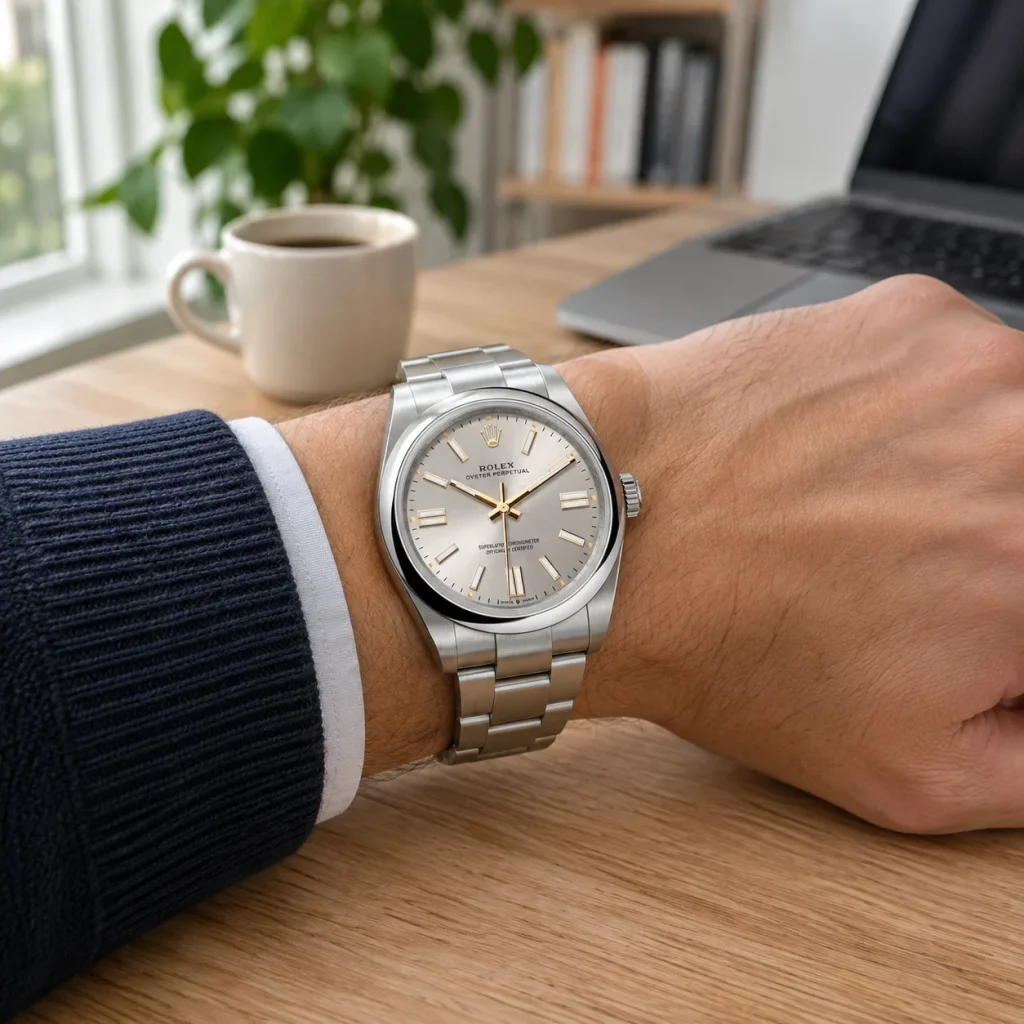
The strap affects both the look and the care requirements. Leather works well with formal outfits, but requires precautions around moisture. Metal needs to be adjusted for a proper fit. Textile and synthetic straps have different properties depending on their construction and fastening system.
If you want to change the strap, check the lug width and attachment mechanism. Some straps use a specific fitting that limits replacement options. This deserves attention if you plan to change the watch’s style over time.
If you have a known skin sensitivity, check the composition of the case back, strap and clasp. A metallic colour does not identify the material. Before swimming, check the manual for activities expressly permitted in water.
Readability depends mainly on the contrast and layout of the dial. Examine how clearly the hands stand out against the background, how visible the hour markers are and where decorations are placed. If you often check the date or time in dim light, make these needs part of your comparison criteria.
Should you choose a quartz or mechanical movement?
The movement is the mechanism that powers the watch. Your choice depends on your expectations for accuracy, how often you wear it and how much maintenance you are willing to accept. No movement is inherently masculine or feminine.
Quartz for fewer adjustments
A quartz watch uses electronic regulation. It usually runs on a battery, while some versions use light to recharge their power source. This type often suits people who want to check the time with few adjustments. However, check the maintenance requirements of the watch you are considering.
Mechanical movements for an interest in watchmaking
A watch mechanical uses the energy stored in a spring. It can be wound manually or automatically. An automatic watch therefore belongs to the mechanical watch family. Wrist movements help wind it, but it may stop after a period without being worn. It then needs to be reset and, depending on the mechanism, wound.
Compare maintenance recommendations, warranty terms and access to after-sales service. High-end positioning does not guarantee a better fit for your habits. A simpler watch may meet your expectations more directly.
How should you compare information before choosing?
Start with the specifications listed in the manufacturer’s documentation. Then use buyer feedback to identify points worth checking. Recurring comments about the clasp, strap adjustment or dial readability are more informative when they explain the context.
An opinion remains subjective. A watch described as small may look substantial on another wrist. Also distinguish delivery problems from observations about the product. An overall rating or a single comment is not enough to establish its quality.
- Check that the stated dimensions meet your expectations.
- Check the strap adjustment and replacement options.
- Compare the functions with your actual needs.
- Review the return policy, warranty and after-sales service.
How do you choose a watch as a gift?
For a gift, start with the person’s preferences rather than their gender. Look at their accessories, the shapes they like and whether they prefer something understated or eye-catching. A watch they already wear regularly provides useful clues about their tastes.
Also find out whether they prefer hands or a digital display, how interested they are in mechanical watches and their maintenance habits. If you are unsure about proportions or the strap, prioritise clearly defined exchange options. An expressed preference remains more reliable than a stereotype.
Frequently asked questions
Can you wear a watch intended for another gender?
Yes. The marketing category does not restrict who can wear a watch. Check the proportions, strap adjustment and functions. If you like its appearance and it meets your needs, you can choose it.
Which watch should you choose for a small wrist?
Look at the case length, lug shape and minimum strap length. Diameter alone is not enough. A bulky clasp can also limit the fit, even when links can be removed.
What are the best watches for women?
There is no universal choice. The best selection depends on wrist size, desired style, readability and preferred movement. Exploring unisex and men’s collections can also reveal suitable options.
Is a unisex watch always understated?
No. The unisex label describes a marketing category without dictating an aesthetic. A unisex watch can be sporty, decorative, colourful or classic. Compare the dial and strap details directly.
Which wrist should you wear your watch on?
Wear your watch on whichever wrist interferes least with your movements. The wrist opposite your dominant hand can be a practical choice, but it is not a requirement. Adjust the strap to keep the watch from sliding without squeezing your wrist.
Do you need to choose an automatic watch to get quality?
No. The movement alone does not determine a watch’s quality. Build quality, legibility, the strap, maintenance options and after-sales service also matter. Above all, choose a movement that suits your habits.
Was this article helpful?
0% of readers found it useful (0 reviews)