Best watch Tissot 2026, analysis and review
The choice between quartz and automatic movements sets apart the models in this selection of 3 watches. Each Tissot watch then caters to a style preference, from sporty chronographs to dressy mechanical watches.
Prices recorded at retailers are for guidance only: they may have changed since. The current price is the one shown by the retailer. No price is shown for models sold exclusively on Amazon. Amounts converted from reference prices in euros using a dated exchange rate.
How we picked these models
- 1 selected model because they have the feature “Tissot” according to data published by manufacturers and retailers.
- View methodology →
- No brand pays to appear in this selection or to rank higher.
What criteria distinguish the best Tissot watch?
Our analysis of Tissot is based on verifiable criteria
To find the best Tissot watch, you first need to establish what you want from your watch. A quartz chronograph and an automatic dress watch cater to different preferences. Our assessment of Tissot is based on an analysis of documented specifications, without any hands-on experience of the products.
We compare movements, materials, available dimensions and stated water resistance. This approach helps distinguish a practical advantage from an aesthetic preference. A sapphire crystal is a verifiable feature; the elegance of a dial remains a matter of personal taste.
The selection covers 3 men's models. It highlights several directions within the brand, without claiming to represent all its collections or provide a comprehensive ranking of Swiss watchmaking.
Tissot's strengths lie in the diversity of its range
Tissot's appeal is evident in the variety of options brought together here. The Chrono XL combines a quartz movement, a chronograph and a metal bracelet. It is an option for anyone seeking this combination, without necessarily favouring an automatic mechanical movement.
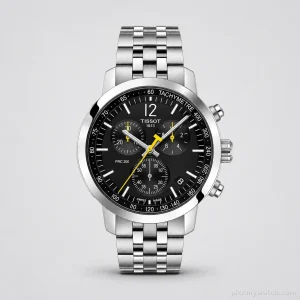
The PRC 200 takes a sportier approach. Its steel case measuring 43 mm, rubber strap and chronograph form a cohesive whole. Its sapphire crystal and stated water resistance of 200 metres provide clear points of comparison, while permitted activities should still be checked in the manual.
The Chemin des Tourelles has a dressier character, with its blue dial, stainless steel bracelet and transparent case back. Its POWERMATIC 80.111 automatic movement and stated power reserve of 80 hours will appeal to mechanical watch enthusiasts. This diversity helps explain Tissot's appeal to buyers with different expectations.
Limitations to consider before choosing Tissot
A brand's reputation alone is not enough to distinguish between its watches. Specifications vary by model. Sapphire crystal is documented for the PRC 200 and Chemin des Tourelles; we do not attribute it to the Chrono XL. The diameter of the latter also remains to be verified.
Another important limitation is that we lack documented evidence over a sufficient period to draw conclusions about long-term reliability, after-sales service quality or patterns in aggregated customer feedback. No consensus among owners can therefore be claimed here.
Finally, the stated dimensions alone cannot predict how a watch will look on your wrist. Case shape, proportions and your preferences also matter. A specification sheet helps narrow down the options, but does not answer every question about comfort.
Our verdict focuses on how well these models meet your expectations
Tissot deserves your attention if you want to compare several approaches to watchmaking within a single brand. The choice between quartz and automatic should come before a preference for a collection. The “Best quartz watch” and “Best automatic watch” guides can also help broaden your perspective.
Our verdict remains focused on these models, without ranking them against every competing brand. To decide which Tissot watch to choose, explore the selection on this page: it will help you choose between a chronograph with a metal bracelet, a sporty design and an automatic dress watch.
Our assessment of Tissot to help you choose between models
The best watch from Tissot depends mainly on your priority: a chronograph with a metal bracelet, a sporty design or a dressier automatic watch. After analysing their specifications, the Chrono XL, PRC 200 and Chemin des Tourelles represent these 3 directions. Our assessment of Tissot reflects this variety, with an essential caveat: the documented qualities of a particular model do not automatically apply to the other watches in its collection. To choose, start with the movement and your intended activities, then examine the proportions and strap or bracelet.
| Model | Listed price |
|---|---|
| Tissot Chrono XL | Check the retailer for pricing |
| Tissot PRC 200 | Check the retailer for pricing |
| Tissot Chemin des Tourelles | Check the retailer for pricing |
Strengths
- A choice between quartz and automatic movements. The Chrono XL and PRC 200 are battery-powered. The Chemin des Tourelles caters to those who want an automatic mechanical movement. This distinction helps you choose according to your preferences regarding maintenance and how a watch works.
- Useful technical details for comparison. Sapphire crystal is documented for the PRC 200 and Chemin des Tourelles. The calibre and power reserve are also specified for the latter. This information helps you look beyond appearance.
Weaknesses
- Uneven documentation. The diameter and exact crystal material of the Chrono XL are not specified. This prevents a full comparison with the other models on these criteria.
- Proportions that warrant close attention. Diameter alone does not tell you how a watch will look on your wrist. The thickness and overall case length also need checking before you choose, particularly for a slim wrist.
- Water resistance that needs checking. The indications in the table alone do not mean the watch is suitable for swimming or water activities. Consult the instructions for the exact model.
- Insufficient long-term evidence. We have no documented evidence from which to draw conclusions about long-term reliability, after-sales service quality or satisfaction trends. Tissot's reputation does not replace these checks.
The Tissot Chrono XL combines a chronograph with a metal bracelet
The Chrono XL deserves your attention if you want a quartz watch with a chronograph and a metal bracelet. Its round case and this combination of materials and functions are its main selling points in this selection. Choose it for these features, rather than for the promise suggested by its name alone.
The main obstacle to making a decision is the missing information. Do not infer its diameter from the XL name or assume it has the sapphire crystal found on the other models. Ask for these details if dimensions or crystal material are decisive factors for you.
When comparing offers, look for reference T116.617.33.051.00. Check that the photos, bracelet and description match this specific variant. A listing bearing only the Chrono XL name is not enough to guarantee a match.
The Tissot PRC 200 takes a sporty approach
The PRC 200 stands out for its quartz chronograph, steel case, sapphire crystal and rubber strap. It has the highest stated water resistance in this comparison. It is the first option to consider if you want a sporty look and prefer rubber to a metal bracelet.
Its pin buckle also offers a clear point of preference compared with the butterfly clasp on the Chemin des Tourelles. Its case is slightly wider than that of the latter: check the full dimensions if you want an understated watch.
A sporty design does not mean suitability for all water activities. If you are looking for a “Best swimming watch”, check the manual for permitted activities and instructions regarding the controls. To identify this PRC 200, check the code T1144171705700.
The Tissot Chemin des Tourelles suits those seeking a dressier mechanical watch
The Chemin des Tourelles is the automatic option in this selection. Its blue dial, stainless steel bracelet and butterfly clasp give it a dressier character. Its transparent case back adds appeal if the mechanics are part of what you enjoy when buying a watch.
The Powermatic 80.111 calibre and stated power reserve help refine your comparison when looking for a “Best automatic watch”. Choose it primarily for its mechanical movement, rather than as a direct replacement for a chronograph: that function is not listed here.
The sapphire crystal is documented, as is a stated 2-year warranty. Nevertheless, check the coverage terms and the full identification of the variant before buying.
Our verdict
Tissot deserves your attention if you want to compare several watchmaking approaches within a single brand. Choose the Chrono XL for its combination of quartz movement, chronograph and metal construction; the PRC 200 for its sporty focus; the Chemin des Tourelles for its automatic movement and dressy styling.
Rule out a model if its dimensions remain unclear or if your activities require a capability that has not been confirmed. This selection helps you choose between these models; it does not establish Tissot as superior to every competing brand.
What should you know before choosing a Tissot watch?
What is the history of Tissot watches?
Tissot’s history is rooted in Le Locle, Switzerland, where its headquarters are located. The Chemin des Tourelles collection pays tribute to the street where it is based. This link to its heritage explains the collection’s name, but is not enough to guide your choice of watch. When buying, the movement, dimensions and materials remain more practical criteria.
Is Tissot a good watch brand?
Tissot deserves your attention for the variety of watches it offers, with quartz chronographs and automatic models in this selection. The PRC 200 combines sapphire crystal with a stated water resistance of 200 metres, while the Chemin des Tourelles has a dressier style. These features offer tangible benefits, but do not establish consistent reliability or the quality of after-sales service.
What is the resale value of a Tissot watch?
The resale value of a Tissot watch depends on its reference, condition and demand. Without documented comparable transactions, quoting a valuation would be misleading. Compare completed sales of the same variant, then check the accompanying documents, retained accessories and service history. Above all, choose a watch you like without assuming it will increase in value.
How does a quartz or automatic Tissot watch work?
A quartz Tissot runs on a battery, while an automatic uses a mechanism wound by wrist movements. The Chrono XL and PRC 200 are quartz models; the Chemin des Tourelles is automatic. When choosing between the “Best quartz watch” and “Best automatic watch” selections, your preference mainly depends on how you want the watch to operate and the maintenance requirements you are willing to accept.
What does the Chemin des Tourelles’ 80-hour power reserve mean?
The 80 hours refer to the movement’s stated running time once it has been sufficiently wound. The Chemin des Tourelles can therefore keep running while set aside, until this reserve is exhausted. This figure indicates neither its accuracy nor a guaranteed running time after a few wrist movements. If the watch stops, follow the winding and setting instructions in its manual.
What is the chronograph on a Tissot watch used for?
The chronograph measures elapsed time independently of the time display. This feature is available on the Chrono XL and PRC 200 in this selection. It may appeal to you for timing an occasional activity. Before choosing, check the manual for how the controls work and what measurements are possible: the term chronograph alone does not specify every available function.
What warranty is stated for the Tissot Chemin des Tourelles?
The stated warranty for the Tissot Chemin des Tourelles is 2 years. However, this duration does not specify exclusions, required documentation or claim procedures. Before buying, check the applicable terms and identify whom to contact if a problem arises. Do not automatically assume this information applies to every Tissot reference or every retailer’s offer.